
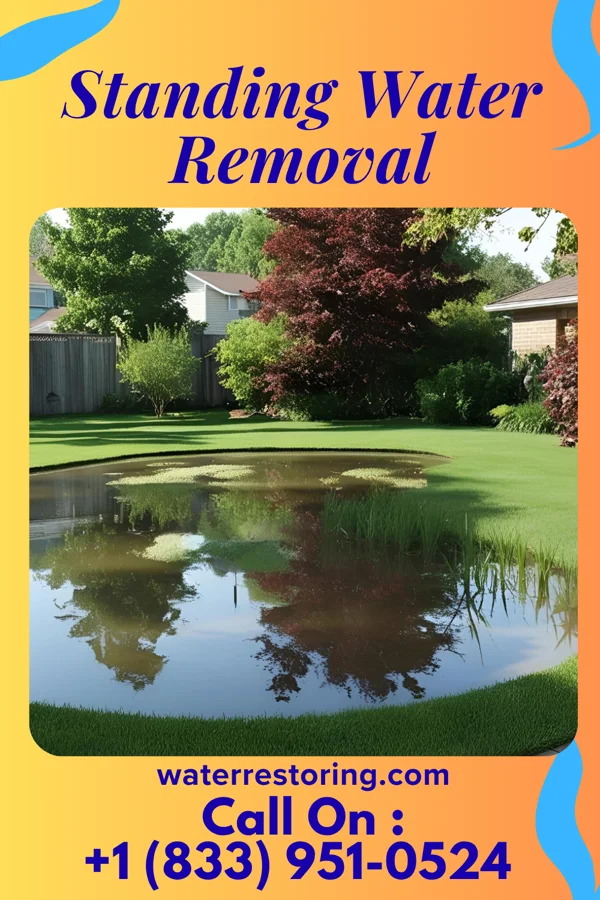
Ground-Water Standing Water in New Columbus
Water damage in New Columbus tends to cluster in predictable windows because of the local climate. In New Columbus, Pennsylvania, the primary water damage cause is often due to burst pipes in older homes and seasonal flooding from nearby streams and rivers, especially during spring thaw and heavy rainfall events. Additionally, septic system failures in rural areas can lead to significant water infiltration in basements and crawl spaces. A close second is Secondary causes include leaking roofs from aging infrastructure, poor drainage around properties, and water intrusion from nearby industrial sites such as the former steel mills in Stillwater and Benton. Mold growth is also common in homes with poor ventilation and moisture retention..
New Columbus experiences a humid continental climate with cold winters and warm summers, leading to frequent freeze-thaw cycles that can damage foundations and plumbing. The proximity to the Susquehanna River increases the risk of flash flooding, particularly in low-lying areas near Stillwater and Benton.
New Columbus experiences a humid continental climate with cold winters and warm summers, leading to frequent freeze-thaw cycles that can damage foundations and plumbing. The proximity to the Susquehanna River increases the risk of flash flooding, particularly in low-lying areas near Stillwater and Benton. The dominant local driver is In New Columbus, Pennsylvania, the primary water damage cause is often due to burst pipes in older homes and seasonal flooding from nearby streams and rivers, especially during spring thaw and heavy rainfall events. Additionally, septic system failures in rural areas can lead to significant water infiltration in basements and crawl spaces., with Secondary causes include leaking roofs from aging infrastructure, poor drainage around properties, and water intrusion from nearby industrial sites such as the former steel mills in Stillwater and Benton. Mold growth is also common in homes with poor ventilation and moisture retention. showing up as the next most common cause. Damage builds in stages. Spread. Absorption. Microbial growth. Structural compromise. Every stage you pass through adds to the final bill.